Is Russia safe to visit in 2026? Three kinds of risk, separated honestly
"Is Russia safe?" is really three different questions, and mixing them up is why the answers online are useless. Street crime is low — Moscow and St. Petersburg rank safer for pickpocketing and violent crime than most large Western cities. The real risks are of a different kind: being refused entry at the border, and — for a specific and small group — wrongful detention. Both are real, both are largely avoidable, and neither has anything to do with getting mugged.
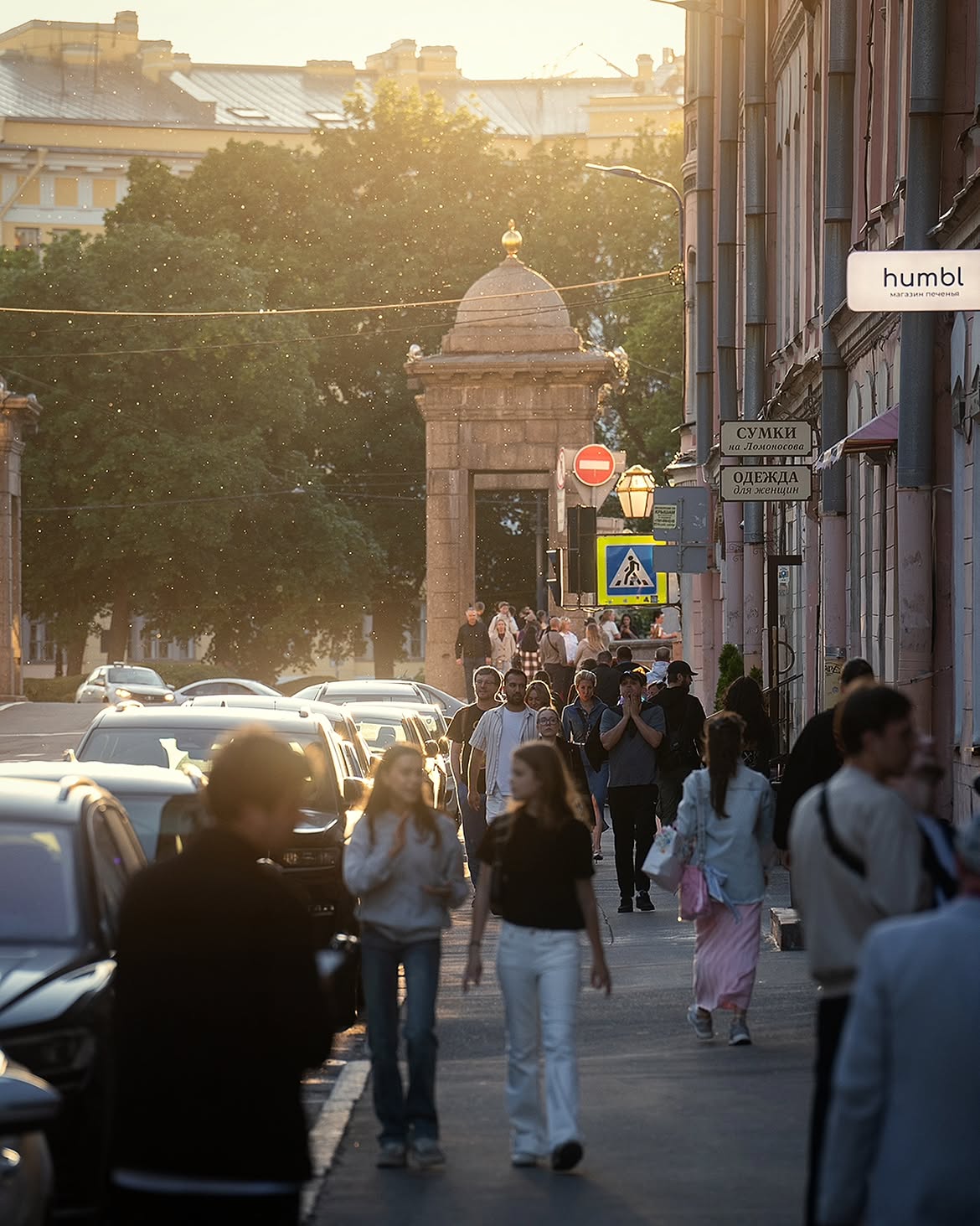
Risk 1: Street crime — genuinely low
This is the risk tourists imagine and the one that barely exists. Moscow and St. Petersburg are heavily policed, camera-covered, and statistically safer for street crime than New York, London or Paris. Normal city sense applies — watch your bag in crowds, avoid drunk arguments — but the "dangerous country" image does not match the pavement reality. Walk the streets on a summer night and you'll find crowds around street musicians, families out late, packed cafes. Millions travel every year without incident.
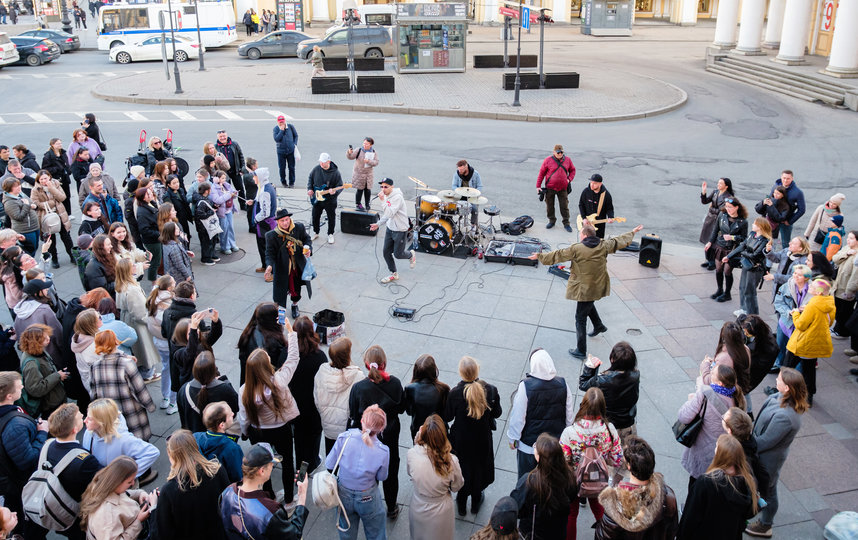
Risk 2: Entry refusal — real, and something to prepare for
This is the risk almost nobody warns you about. Border officers can — and now sometimes do — refuse foreign visitors entry on the spot, even with a valid visa. Since 2022, security checks on foreigners have intensified: most tourists still clear passport control in 20 to 90 minutes, but a minority face longer questioning, and occasionally a turn-around. It is not prison, not a criminal matter — but your trip is over and no one refunds it. What raises the odds of extra scrutiny: documented support for Ukraine, certain social-media history, answers about your trip that don't hang together. Note the key point for most readers — for a foreign tourist, these are grounds for closer inspection or, at worst, refused entry, not arrest. Full detail and how to prepare →
Risk 3: Wrongful detention — real, rare, and very unevenly distributed
This is the risk that makes headlines, and the names are real: Griner, Fogel, Karelina. Here is the honest calibration, because the headlines flatten it. Nobody is jailed at random — in every publicized case there was an alleged violation of Russian law. And critically: the two things that actually drive this risk are narrow. First, bringing something illegal across the border — that's what put Griner and Fogel in prison (→ what you cannot bring to Russia). Second, holding Russian citizenship alongside your Western one — which subjects you to Russian law in full (→ dual citizens guide). Karelina, often described as "an American detained for a $50 donation," was prosecuted specifically as a Russian citizen for aiding what Russia treats as the enemy — a charge that does not apply to a foreigner without a Russian passport. For a prepared tourist who brings nothing illegal and holds no Russian citizenship, this risk is low. Not zero — honesty demands saying so — but low, and driven by factors you can see and control.
The honest bottom line
If you're a regular Western tourist, bringing nothing illegal, holding no Russian passport, staying away from the Ukraine border, and keeping your trip's story straight — your practical risk is low, and the Level 4 advisory is calibrating for worst cases, not the average trip. Tourists ask us all the time, "is it really as scary as the news says?" The honest answer: the streets look more like a European capital than a war zone — and the risks that do exist are specific, nameable, and avoidable. That's the whole truth, in both directions.
Plan the practical side → free planner